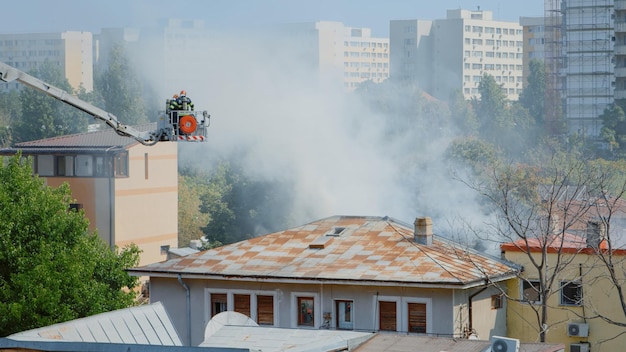
Expert Fire Damage Repair in San Diego
Fire damage can be devastating, leading to substantial property damage, emotional distress, and significant financial loss. In San Diego, a region prone to wildfires due to its arid climate, understanding the nuances of effective fire damage repair is crucial. This guide provides insights into various aspects of fire damage repair, offering valuable information for residents and business owners seeking to restore their properties efficiently.
Understanding Fire Damage
Fire damage is not limited to the destruction caused by flames. It also includes smoke damage, water damage from firefighting efforts, and potential structural issues. Addressing these components is essential for a comprehensive repair strategy.
Types of Fire Damage
- Flame Damage: Direct burning that results in charring and destruction of surfaces.
- Smoke Damage: Residue and odor from smoke that can permeate walls, furniture, and clothing.
- Water Damage: Water used to extinguish fires can cause additional harm to structures and contents.
- Structural Damage: Fire can weaken the structural integrity of a building, necessitating careful inspection.
Each type of damage requires specific remediation techniques to ensure complete restoration. Find additional information here.
Steps in Fire Damage Repair
Successful fire damage repair involves a systematic approach to ensure that a property is safe and habitable. Here are the critical steps typically involved:
1. Assessment
Upon arrival, professionals conduct a thorough assessment to evaluate the extent of the damage. This step is crucial to develop a tailored restoration plan. Learn more in this detailed guide.
2. Securing the Property
To prevent further damage, securing the property is essential. This may involve boarding up windows, covering damaged roofs, and removing debris.
3. Water Removal and Drying
If water damage is present, removing standing water and drying affected areas is prioritized to prevent mold growth and secondary damage. Read more about this topic.
4. Smoke and Soot Removal
Specialized equipment and techniques are used to remove smoke and soot from surfaces, ensuring that odors and residues do not linger.
5. Cleaning and Sanitizing
All restorable items and structures are cleaned and sanitized. This step is essential for removing contaminants and ensuring safe habitation.
6. Restoration
The final step involves restoring the property to its pre-fire condition. This can include minor repairs such as replacing drywall, painting, and installing new carpet, or more extensive reconstruction projects. Explore further insights here.
Importance of Professional Fire Damage Repair
Engaging professionals for fire damage repair offers numerous benefits:
- Expertise: Trained technicians have the knowledge and skills to handle complex restoration tasks.
- Safety: Professionals ensure that the repair process is conducted safely, mitigating risks associated with structural damage and toxic residues.
- Efficiency: With specialized equipment and techniques, professionals can expedite the restoration process, helping property owners return to normalcy sooner.
- Comprehensive Service: From assessment to restoration, professionals provide a complete service that addresses all facets of fire damage.
Conclusion
Fire damage repair is a multifaceted process that requires careful planning and execution. Understanding the different types of damage and the steps involved in restoration can significantly impact the efficiency and success of the repair efforts. In San Diego, where the threat of fire is prevalent, having access to expert guidance and services is invaluable. For those affected by fire damage, seeking professional assistance is essential to ensure a safe and thorough recovery process. Learn more in this detailed guide.